
In a world where digital cameras and smartphones promise instant perfection, the quiet return of analog photography feels almost revolutionary. Film cameras, once considered obsolete, are now being reimagined with modern features that blend nostalgia with innovation. This new generation of hybrid analog devices brings together the charm of vintage engineering and the convenience of contemporary technology, creating a more mindful, tactile, and emotionally rich way to capture images.
As Gen Z and today’s creators rediscover the pleasure of slowing down, film has become more than a medium, as it is a cultural shift toward intention and authenticity. The resurgence of analog cameras shows that the future of photography is not purely digital but a thoughtful fusion of old-world craft and modern possibility.
1. The Analog Revival In A Digital World
In an age dominated by smartphones and instant image processing, the resurgence of analog cameras might seem unexpected, but it’s far from accidental. Today’s creators, especially Gen Z, crave experiences that feel tactile, intentional, and emotionally grounded. Film photography delivers exactly that. What’s even more compelling is how a new wave of hybrid film cameras blends vintage charm with modern technology, transforming what was once a niche hobby into a vibrant contemporary culture.
Film photography is enjoying a strong comeback, but most point-and-shoot options still fall short. Vintage cameras come with unpredictable quirks, while many new models fail to capture the tactile charm that makes analog shooting special. For anyone wanting the warmth of film with modern reliability, the search often feels frustrating.
The Analogue aF-1 finally blends classic design with contemporary tech. Its compact, matte body, splash-resistant build, and sharp 35mm f/2.8 Double Gauss lens offer a familiar analog feel enhanced by dependable performance.
What truly sets the aF-1 apart is its seamless mix of analog character and digital convenience. LiDAR and Time-of-Flight autofocus ensure crisp shots from 0.5 meters to infinity, while automatic film loading and rewind remove guesswork. The GN8 flash recycles in half a second, and ISO support from 25 to 5000 makes it versatile in any light. With reliable mechanics and intuitive controls, the aF-1 brings film photography back to life without the usual hassles.
2. Why Film Feels Fresh Again
Analog cameras used to be defined by their limitations: no instant previews, finite exposures, manual settings, and the slow ritual of development. Now these very qualities are what attract modern users. The mindful pace of film forces you to slow down, observe, and shoot with purpose rather than rely on endless digital corrections. At the same time, new technologies have removed many of the old barriers, making film more accessible, adaptable, and rewarding for a wider creative community.
Modernized film cameras now include features that were unthinkable in traditional analog devices. Built-in light meters, Bluetooth connectivity, app-based controls, and hybrid workflows allow photographers to enjoy the aesthetic of film without sacrificing convenience. This balance of nostalgia and innovation gives today’s users the best of both worlds: the raw, imperfect beauty of analog paired with the efficiency of digital ecosystems.
The limited-edition Gudetama Retrospekt FC-11 35mm Film Camera brings together Retrospekt’s retro craftsmanship and Sanrio’s iconic lazy egg in a playful, collectible design. The camera features a silicone Gudetama lens cap and a faux leather-wrapped body illustrated with multiple Gudetama poses, making it as much a display piece as a functional camera. Lightweight at just 122 grams, it’s easier to carry than most smartphones and immediately stands out with its bright, character-driven aesthetic.
Built as a straightforward point-and-shoot, the FC-11 offers a 1m fixed-focus lens, optional built-in flash, and simple viewfinder framing for effortless shooting. It supports 200–400 ISO film, uses a 31mm f/9 lens, and has a 1/120-second shutter speed, giving users reliable performance in everyday conditions. Once you press the shutter, all that’s left is to develop the 35mm roll at your preferred lab. Cute, compact, and uncomplicated, the Gudetama FC-11 makes analog photography fun and accessible for beginners and collectors alike.
3. The Quest For Authenticity
Another reason for the revival is the cultural shift toward authenticity. In a world oversaturated with perfectly edited digital images, film offers a refreshing sense of realness. For younger audiences raised on high-resolution screens, film feels novel, tactile, and almost rebellious, an antidote to algorithm-driven perfection.
Online platforms have amplified the analog revival, giving emerging photographers a space to share their work, discuss techniques, and explore the emotional depth behind film practice. Even the waiting period between shooting and developing has become a shared ritual and a reminder that creativity doesn’t need to be rushed.
You can now enjoy the charm of analog photography without losing the comfort and speed of your smartphone. As traditional film cameras fade from everyday use, DIGI SWAP offers an elegant solution that brings them back to life. Many people keep old cameras as sentimental keepsakes, reminders of a time when every click of the shutter held suspense. This system lets you relive that experience by combining the tactile pleasure of a film camera with the efficiency of an iPhone.
DIGI SWAP consists of an adapter and a companion app that work together to recreate the film shooting process. The adapter mounts your iPhone to the back of the camera, projecting the lens image directly into the phone’s sensor, while the app automatically captures each shot when you press the physical shutter. With features like a wind-up lever simulation and a “Film Empty” screen after 36 frames, it preserves the nostalgia of analog photography while breathing new life into classic equipment.
4. Analog Meets Sustainable Living
Sustainability also plays a subtle but growing role. Many film enthusiasts appreciate the long lifespan of well-made analog cameras, which can function reliably for decades. Instead of constant digital upgrades, users invest in repairable, enduring equipment, which is a mindset that aligns with today’s conscious consumption patterns. When paired with eco-friendly film labs and responsible developing methods, analog photography supports a slower, more considered creative lifestyle.
The Lomography Lomo MC-A stands apart from the wave of digital cameras dressed in retro styling by being a truly analog 35mm film camera. Built with a robust metal body in silver or black, it features a retractable 32mm f/2.8 multi-coated glass lens that produces sharp, vibrant images with authentic film character. Manual film advance, tactile dials, and classic controls reinforce the experience of shooting real film rather than simulating it. Three modes, like Program Auto, Aperture Priority, and Full Manual, offer flexibility for beginners and advanced users alike, while fast autofocus and zone focusing support everything from everyday snapshots to street photography.
What makes the MC-A especially practical is its integration of USB-C charging, replacing hard-to-find CR2 batteries with a rechargeable system that lasts up to ten rolls per charge and exceeds 1,200 recharge cycles. The camera also includes signature Lomography tools such as a Splitzer, colored gel filters, protective wrap, and leather accessories, creating a complete, ready-to-shoot analog kit for modern film enthusiasts.
5. A Timeless Art Form, Reimagined
Most importantly, the reimagining of analog cameras reflects a universal desire to reconnect with craftsmanship, with memory, and with the art of paying attention. Modern technology doesn’t erase the soul of film; it simply enhances it. By blending retro charm with intelligent innovation, these cameras invite photographers to rediscover the thrill of uncertainty and the beauty of restraint qualities that feel more relevant than ever in a hyper-digital world.
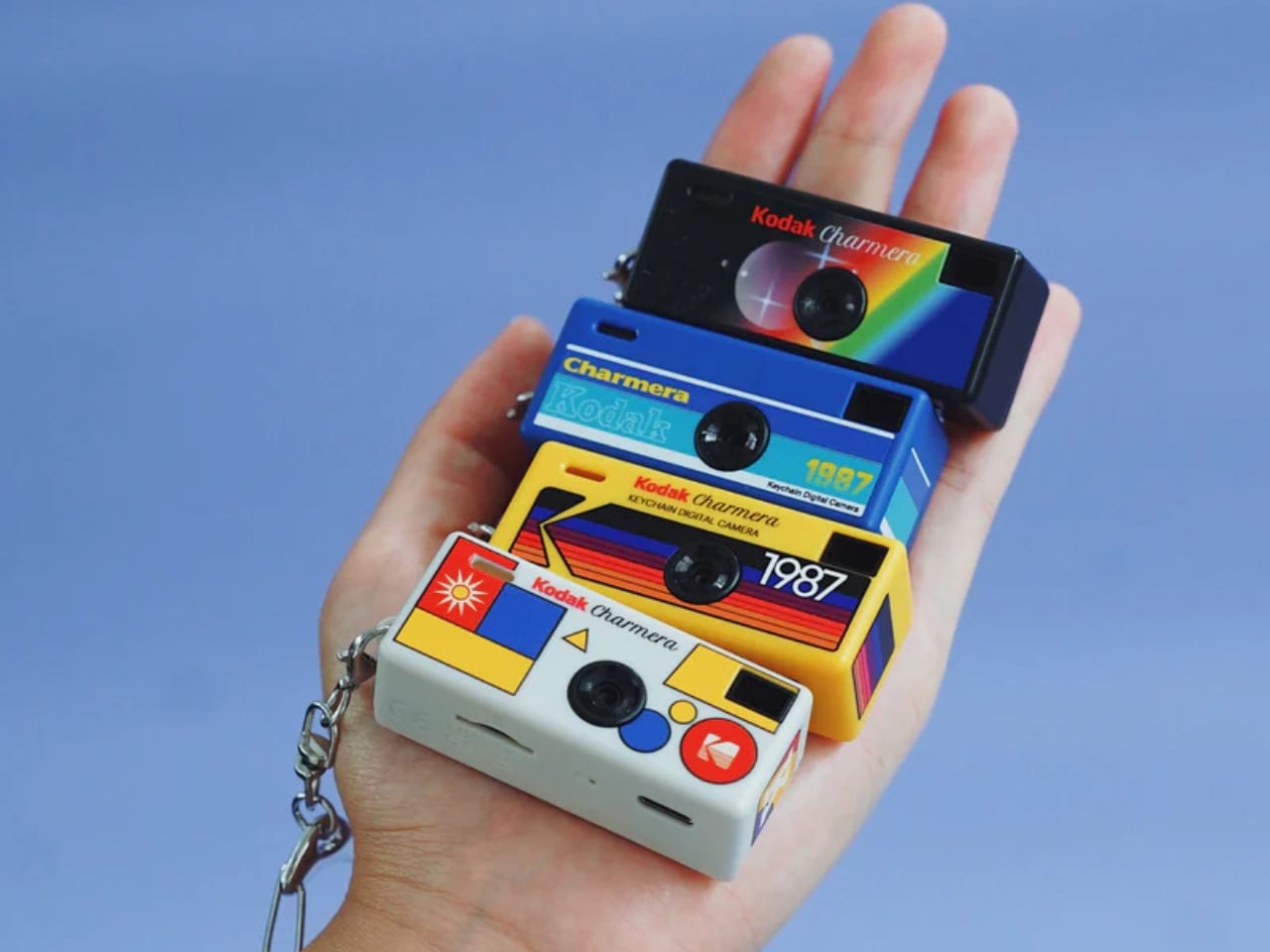
Kodak’s Charmera camera brings a modern twist to the brand’s iconic analog cameras, especially the single-use models from the 1980s and 1990s. Designed as a miniature digital device, it mirrors the size and retro look of the classic Kodak Fling while replacing disposability with convenient recharging. Its blind-box format adds a collectible appeal, offering one of several vintage-inspired designs, including a rare transparent “secret edition.” Compact and lightweight at just 2.2 inches and 30 grams, it doubles as a charm thanks to its keychain loop, blending nostalgia with everyday portability.
Despite its playful scale, Charmera delivers a complete digital shooting experience with the familiar imperfections of analog cameras. It uses a 1.6-megapixel CMOS sensor to capture 1440 × 1080 photos and 30 fps video, embracing a grainy, film-like aesthetic. With filters, themed frames, and date stamps, plus microSD support and USB charging, it offers a practical way to create retro-style content inspired by classic analog photography.
Analog photography is making a strong comeback, not by rejecting modern tech but by blending with it. New hybrid and updated film cameras keep the charm of shooting on film while adding features that make them easier to use. This mix of old and new shows that people still value slow, thoughtful image-making. In today’s fast digital world, analog feels fresh again.
The post 5 Retro Film Cameras with Modern Tech Gen Z Can’t Stop Buying first appeared on Yanko Design.