
The 1940s were swept up in an atomic fever, with nuclear power hailed as the dazzling symbol of a bold new future.
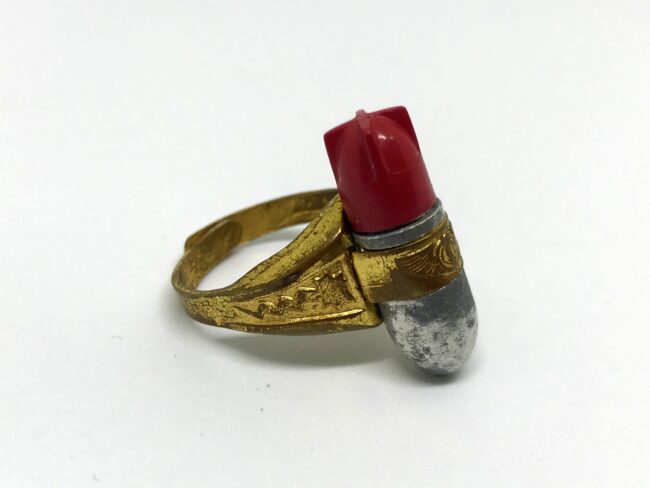
Riding this cultural wave, Kix cereal unveiled a daring 1947 promotion that let kids mail in 15 cents and a box top for a Lone Ranger Atomic Bomb Ring. The gadget blended pop‑culture heroism with atomic‑age glamour, promising young fans a thrilling taste of scientific wonder.
h/t: vintag.es
Yet beneath its flashy marketing, the ring concealed a far more unsettling truth. Each one held a minuscule sample of polonium‑210 paired with a glowing zinc sulfide screen activated by alpha particles.
Advertised as harmless unless swallowed or inhaled, the device embodied the era’s dangerously casual approach to radiation. Few people questioned the risks, swept up instead by the excitement surrounding anything labeled “atomic.” Although polonium‑210 emits alpha radiation that can’t pierce skin, it becomes extremely hazardous inside the body.
Its short half‑life meant the rings lost their radioactivity within a few years, leaving surviving examples today inert and unable to produce their once‑famous flashes. Now, the Lone Ranger Atomic Bomb Ring survives as a strange relic of mid‑century optimism, with intact specimens—especially those with their original packaging—fetching between $100 and $400 from collectors.