
Furniture is now understood as a core architectural component rather than a purely functional addition to a space. In 2026, instead of sharp, rigid forms, current design directions favor softer, organic silhouettes that promote comfort and visual calm. These shapes help create interiors that feel more balanced and human-centred, supporting everyday use while enhancing the emotional quality of the environment.
This evolution is reinforced by the use of advanced materials and modular construction systems that improve durability and adaptability. Flexible configurations allow furniture to respond to changing needs, extending product life and long-term value. When thoughtfully integrated, these pieces guide movement and define zones within an interior. Take a look at the furniture trends that remains relevant as lifestyles and design preferences evolve in 2026.
1. Soft Spatial Forms
Design is steadily shifting away from rigid, rectilinear furniture toward softer, curving silhouettes inspired by natural movement. Rounded edges and flowing profiles reduce visual tension, helping spaces feel more relaxed and continuous. These forms also support smoother spatial flow, allowing furniture to guide movement gently rather than interrupt it with sharp transitions.
Curved surfaces interact with ambient light in more subtle ways, creating soft highlights and layered shadows that add depth to interiors. Beyond visual appeal, these shapes offer practical advantages, including improved ergonomics and reduced edge damage over time. By combining comfort, durability, and visual warmth, soft-form furniture supports long-term usability while maintaining a calm, human-centred interior environment.
When furniture follows rounded geometries, it contributes to a more welcoming environment while maintaining a strong design identity. These forms work especially well in minimal interiors, where shape and proportion become the primary visual language rather than surface decoration.
Designed by Lagranja Design for Systemtronic, the Croma furniture collection is defined by consistent curved lines and warm-toned finishes inspired by Mediterranean materials. Natural and stained ash wood is combined with painted and chrome-plated aluminium to create contrast while maintaining visual softness. The collection includes arched wardrobes, rounded planter benches, circular tables in multiple sizes, mirrors, valet stands, and trolleys. Unified geometry across all pieces ensures compatibility within shared spaces, allowing the collection to function as a coordinated system rather than isolated objects.
2. Bio-Smart Materials
In 2026 material innovation is moving toward bio-engineered alternatives that reduce reliance on fossil-fuel-based synthetics. Regenerative materials such as mycelium and algae-based polymers offer low carbon impact while introducing rich, tactile surfaces that feel organic and visually distinctive. These bio-composites support responsible production methods while maintaining the structural performance required for everyday furniture use.
Textiles are also evolving through the use of self-cleaning and pollutant-breaking coatings, including titanium dioxide finishes that react to light exposure. These treatments improve hygiene, reduce maintenance needs, and extend fabric lifespan. Together, bio-based structures and advanced surface technologies support sustainability and long-term design relevance, ensuring furniture remains compliant with future environmental standards while delivering consistent aesthetic and functional performance.
Studio TOOJ’s Duk furniture series explores how mycelium-based materials can transform the surface and perception of solid furniture. Each piece is formed from sculpted wood and finished with Reishi, a biomaterial developed by MycoWorks from mushroom root structures. This layered construction allows rigid forms to visually resemble soft, draped fabric while maintaining structural stability. The mycelium surface introduces organic texture and matte softness, creating a textile-like appearance without using traditional upholstery or leather.
Reishi is cultivated under controlled conditions, allowing precise control over thickness, strength, and surface quality. This consistency supports complex furniture applications where uniform performance is essential. Unlike animal-based leather, the material can be grown to specification, reducing waste and enabling repeatable production standards.
3. Adaptive Modular Furniture
Furniture design is increasingly focused on modular systems that support multiple functions within compact interiors. Rather than simple add-on components, these systems are architecturally integrated, allowing pieces to shift between layouts with minimal effort. Magnetic connectors and precision interlocking joints enable fast reconfiguration without tools, making it easy to adapt furniture to different daily activities.
This flexibility improves spatial efficiency by allowing a single system to perform several roles, such as converting seating into lounge or guest arrangements. Loose-fit construction also supports easy repair and part replacement, extending product lifespan and reducing material waste. By combining adaptability with structural clarity, modular furniture delivers long-term value while responding to changing space requirements and evolving lifestyle needs.
The ZERO modular furniture collection redefines minimalism through visual lightness and reduced spatial impact. Designed to occupy less visual and physical volume, the pieces use clean lines, slim profiles, and restrained colour palettes to integrate quietly into interiors. This approach allows furniture to frame space rather than dominate it, supporting open layouts and reducing visual clutter. The neutral design language makes the system adaptable across residential and commercial environments, including contemporary, industrial, and modernist interiors.
Modularity is central to the system’s function. Each unit can be assembled, reconfigured, and expanded to support changing layouts, from compact living areas to larger open-plan spaces. This flexibility allows users to create seating, storage, or zoning solutions without adding visual density. Custom colour options support personalisation while preserving a cohesive aesthetic.
4. Thermal Comfort Surfaces
Furniture surfaces are increasingly designed to support thermal stability and physical comfort. Upholstery now integrates phase-change materials that absorb, store, and release heat, helping maintain consistent surface temperatures in response to body contact and room conditions. This technology reduces discomfort from cold or overheating, improving long-term seating comfort across changing seasons.
Material selection also prioritises tactile performance. High-tannin woods, honed stone, and heavy-weave natural fabrics provide stable, grounding textures that enhance sensory interaction with furniture. These finishes balance temperature control with durability and visual depth. By combining thermal responsiveness with carefully chosen surface materials, furniture delivers a measurable comfort advantage while contributing to passive climate regulation within interior spaces.
The SOLO furniture collection by Mudu Studios is a seating concept that balances visual refinement and thermal comfort with ergonomic comfort. The range includes an armchair, sofa, and pouf, all characterised by generously cushioned upholstery set on raised bases made from metal or natural veneer. This pedestal-style structure visually lifts the soft seating volumes, creating a strong contrast between plush textiles and solid foundations. Accent stitching adds subtle definition to the upholstery, reinforcing form while enhancing durability and finish quality.
Designed to integrate across multiple interior styles, the collection supports varied colour options to suit different spatial palettes. A key functional feature is the armchair’s twist mechanism, which allows controlled rotation for relaxed seating positions without compromising stability. Elevated proportions also contribute to proper seating support and ease of movement.
5. Seamless Embedded Technology
Furniture is increasingly integrating technology directly into its structure, eliminating the need for visible devices or external accessories. Inductive charging systems are now concealed beneath thin layers of stone or solid wood, allowing phones and small electronics to charge when placed on tabletops or shelves. This integration maintains clean surfaces while delivering everyday functionality without additional hardware.
Control interfaces are also being built into materials, with touch-sensitive zones embedded in fabric or carved into timber for lighting and audio adjustment. These systems remove the reliance on separate remotes and illuminated panels, reducing visual clutter. By embedding technology within traditional materials, furniture maintains architectural continuity while offering discreet, intuitive interaction aligned with contemporary living needs.
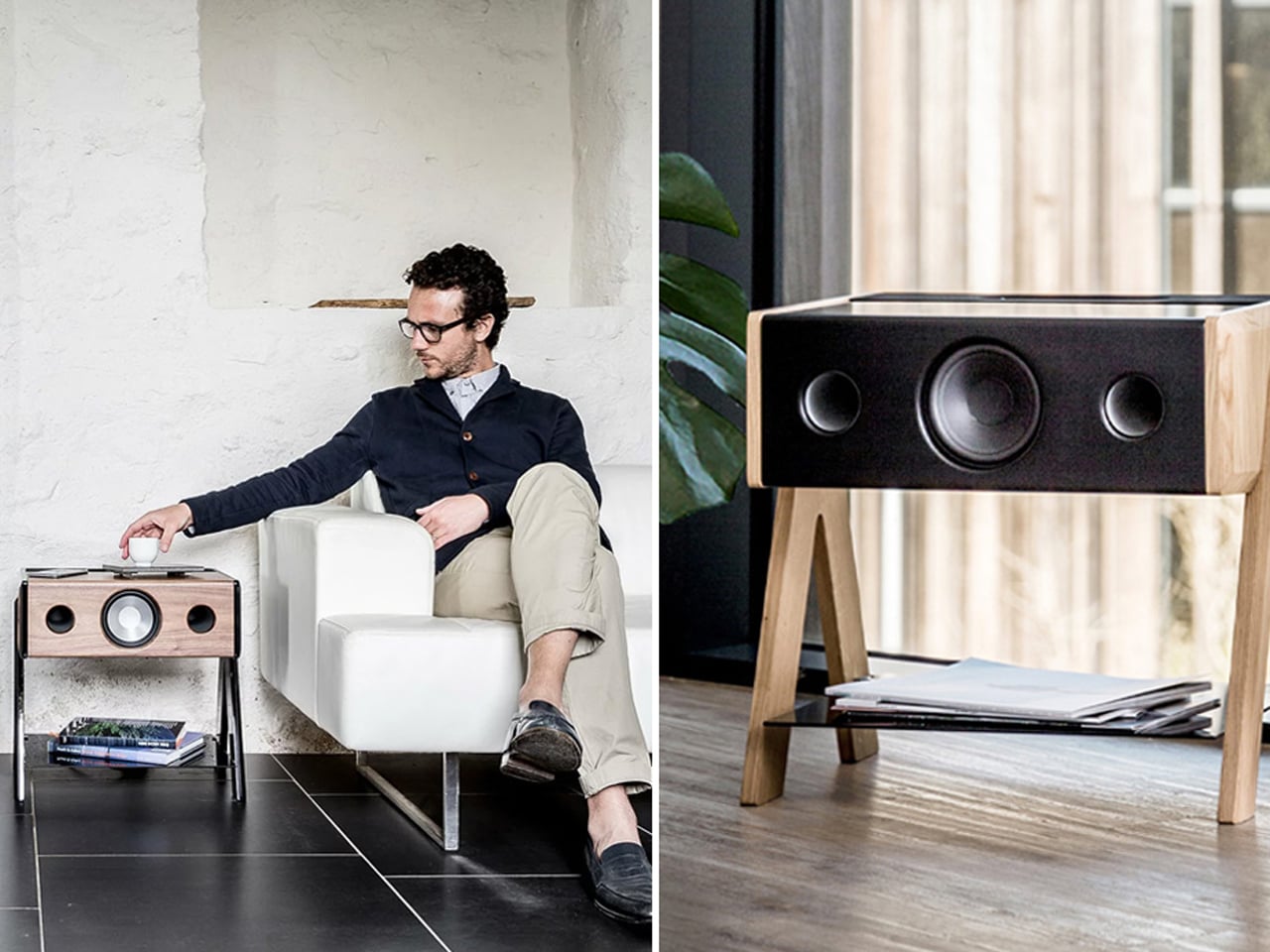
The Cube by French audio brand La Boite is a wireless high-fidelity loudspeaker designed to function as both an audio system and a compact coffee or side table. Measuring approximately 47 × 35 × 49 cm, its form allows placement in central living are as without additional floor space for separate speakers. La Boite’s patented acoustic architecture ensures consistent sound dispersion regardless of positioning, maintaining balanced volume and clarity across the room. The furniture-grade enclosure supports everyday use while housing integrated audio components.
Each unit delivers a total power output of 200W and includes a multi-speaker configuration with front and rear drivers supported by aluminium bass-reflex ports. La Boite’s Wide Sound 2.0 technology expands the listening field for immersive playback from a single unit. Connectivity options include Bluetooth with AptX codec, analogue RCA, optical Toslink, and a 3.5 mm input, allowing compatibility with wireless streaming and traditional audio sources.
Furniture now functions as an adaptive layer of the built environment, combining biophilic form with intelligent, sustainable materials. Integrated technology and modular design extend product lifespan while improving daily comfort. Rather than acting as mere decoration, 2026 furniture trends position furniture as part of a responsive interior system – where performance, longevity, and well-being define true design value.
The post 5 Furniture Trends That Just Made IKEA Look Obsolete in 2026 first appeared on Yanko Design.