
Inside The Creative Apartments Of Hattie Molloy + Pip Byrne
Interiors
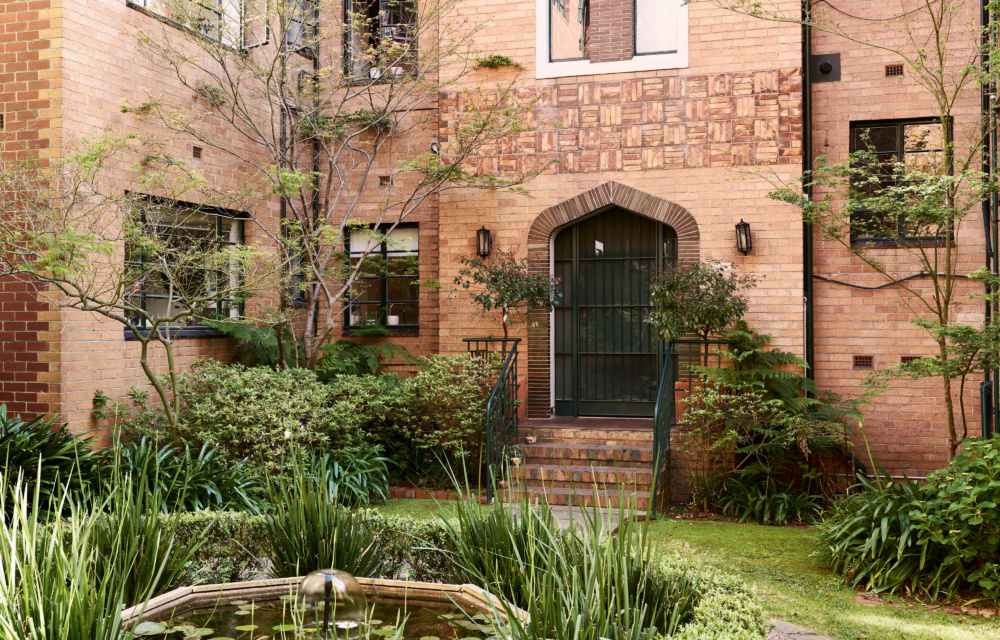
One of the entrances to Belgravia Square.
Hattie Molloy’s living room. Akari 36N lamp. Vintage Piero Lissoni Met Sofa for Cassina from Nord Modern. Viola Vessel by Hattie Molloy. Mantas Ezcaray Mohair Blanket from Pan After. Wilbur Nesting Tables by McMullin.
Vintage portrait from Found. Fish Design vase by Gaetano Pesce. Allium Vase by Hattie Molloy. Collection of dried corn, elephant garlic and allium flowers.
Floral artist Hattie Molloy in her home. Allium Vase, Salvia Vase, Small and Large IXIA Vase by Hattie Molloy. Mask by Park Pardon from Pan After. Fish Design vase by Gaetano Pesce.
Hattie’s home studio. Arnold Circus Stool by Martino Gamper.
Large IXIA Vase in blue by Hattie Molloy. Vintage vases featuring dried hydrangeas.
Shelves from IKEA. Various ceramics from Mud Australia, Pan After and vintage ‘bits and pieces’ Hattie has collected over time.
Landscape architect and ceramicist Pip Byrne’s apartment. Bench from IKEA. Vintage swivel chair from Model No. 143. Glazed vessel by Kate Jones. Various other ceramics by Pip Byrne.
Checkered Rug by Didi & Dora. Vintage wall hanging from Model No. 143.
Mud Office landscape architect and ceramicist Pip Byrne in her apartment.
Miniature chair by Pierre Greenway.
Bolster cushion by In Bed. Quilt cover by I Love Linen. Vintage artwork from Found.
Pip’s ceramics workspace.
Not far from the glass skyscrapers and boxy high-rise apartments in the Melbourne CBD, you’ll find a very different set of apartments from a bygone era, known as Belgravia Square.
Constructed in the 1940s, the brick walk-up in East Melbourne is equal parts endearing and utilitarian.
There’s no fancy gym or pool like you might expect from a more modern complex. And rather than sweeping views across the city, the homes inside the art deco building look out through trees or to the local park across the street.
One of its residents is maker and floral artist Hattie Molloy, who has a ‘type’ when it comes to apartments, having mostly always lived in older buildings.
Her current two-bedroom rental in Belgravia Square is by far her favourite: ‘The outlook, balcony and natural light is a winner.’
Hattie first moved into the apartment in September 2021 — around the same time she was suddenly diagnosed with functional neurological disorder (FND).
The condition causes problems with how the brain sends and receives signals, forcing Hattie to bring her creative work into her 84-square-metre home.
‘I could no longer drive or access my old shop,’ Hattie says.
As a result, the second bedroom is now a studio, where she photographs her avant-garde arrangements.
In place of a conventional backyard, Hattie also created an immersive garden on her little balcony, overflowing with greenery and unique plantings she can’t find at the flower market.
Her interior styling is similarly ‘over the top’, in the best way. Almost every surface features something from her eclectic collection of vessels, including wobbly pieces by Italian designer Gaetano Pesce, ceramics from Japan, and the aluminium IXIA vases, designed by Hattie herself, filled with florals.
‘I’m a minimalist’s nightmare,’ Hattie says. ‘Because I spend so much time in my house, I try to make it vibrant, exciting and kooky so that I enjoy my surroundings. I like to potter and fluff, finding new interesting combinations of my possessions and displaying them in a fun way!’
In addition to having a large garage that’s allowed her to work from home, Hattie says the apartment building’s ‘lovely community’ is part of what makes it so special.
‘Due to my disability, sometimes I need help if I’ve had a fall and a lot of the residents know my condition and will help if I get stuck. It’s nice to know you can count on your neighbours!’
A chance encounter in Belgravia Square’s hallways is also what brought Hattie to her neighbour-turned-friend, Pip Byrne, a landscape architect at Mud Office and ceramic artist, who rents a one-bedroom on the ground floor.
‘We bonded quickly over plants and Bravo!’ Pip says, referring to the reality TV network famous for The Real Housewives franchise.
‘I’d always admired the building and had dreamt of living somewhere similar one day. Then in early 2021, the stars aligned, and this apartment was available.’
While her cosy home is only 52 square metres, Pip says the space has always felt bigger.
‘I think it has something to do with having a hallway and separate rooms, or it might be the outlook to large established trees. I love the art deco windows and the layout.’
Off the hallway, there’s a light-filled bedroom (large by modern standards) and the kitchen reveals a sweet stripe of blue-and-white tiles— a detail that appears in most of the building’s apartments.
The little alcove designed for a dining table just happens to be the perfect size for a studio nook, where Pip creates her hand-built ceramics.
‘The whole apartment becomes the studio sometimes, with pieces drying and inspiration dotted around. Although an expansive space would be amazing, I’ve learnt to work in the space I have,’ she explains.
Working from the sunny spot right by the window, Pip enjoys a ‘strangely peaceful soundtrack’ of the building’s comings and goings, residents walking through the entry gardens, and the bubbling of the water fountain.
Eschewing any perceived limitations of apartment living, both women have carved out exactly what they needed from their homes inside the complex — proving that this old apartment building has well and truly stood the test of time.
An edited version of this story originally appeared in The Design Files Magazine Issue 03. Subscribe to the biannual print magazine here.