
Somewhere between the overstuffed tech pouch and the empty pocket lies a sweet spot that most gadget makers ignore. The minimalist carry is not about owning less for the sake of it, but about each object earning its place through thoughtful design and genuine daily utility. We have been keeping tabs on pocket-friendly gadgets that manage to pack serious functionality into forms small enough to forget about until the moment they are needed. These seven picks balance portability with purpose, skipping gimmicks in favor of smart engineering.
What ties this list together is a shared restraint. None of these products tries to do everything. Each one solves a specific problem within a compact footprint, and the design decisions behind them reflect a growing shift in how makers approach portable tech. Less bloat, more intention, and a willingness to rethink form factors that have gone unchallenged for too long.
1. OrigamiSwift Mouse
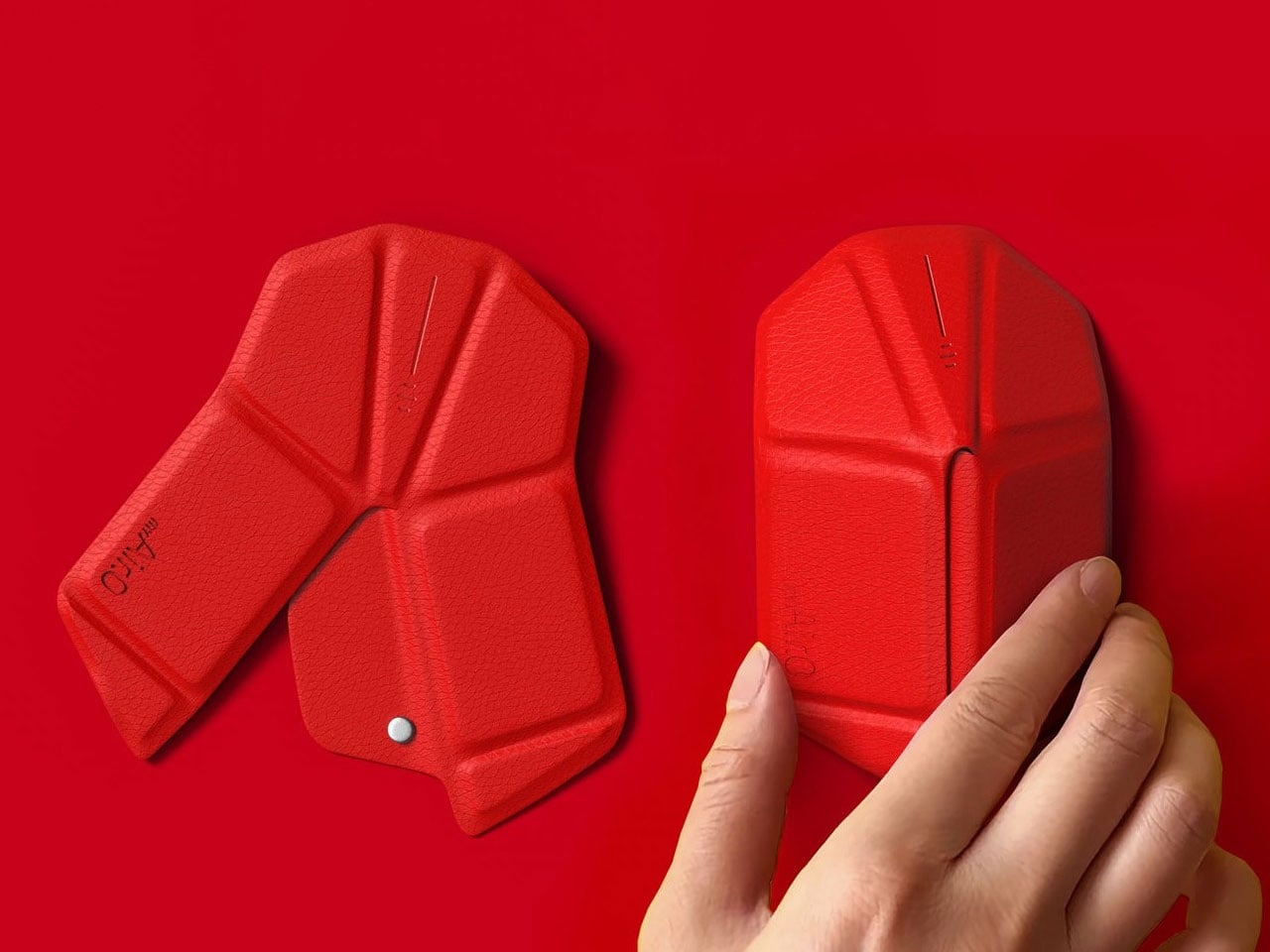
The OrigamiSwift borrows its name from Japanese paper folding, and the comparison holds up. This foldable Bluetooth mouse collapses flat for storage and springs into a full-sized shape in under half a second, making it one of the more clever portable input devices we have come across recently.
At just 40 grams, the mouse is lighter than most pens and thin enough to slip into a jacket pocket without adding bulk. The ergonomic curve that appears when unfolded feels closer to a standard desktop mouse than most travel mice bother attempting, which makes extended work sessions far less punishing on the wrist.
What we like
The origami-inspired folding mechanism is quick and satisfying, going from flat to functional almost instantly.
Weighing only 40 grams, it vanishes into a bag or pocket and adds almost zero weight to a travel setup.
What we dislike
The folding hinge is a mechanical point of failure that could wear over time with heavy daily use.
Bluetooth-only connectivity means no option for a USB dongle, which can be a dealbreaker for users who prefer a dedicated receiver.
2. DuRobo Krono
Reading on a phone screen is a compromise most people accept without questioning. The DuRobo Krono pushes back on that default by squeezing a 6.13-inch E Ink Carta 1200 display into a form factor that fits pockets as easily as a smartphone, but replaces the distraction engine with a focused reading and productivity tool.
The 300 PPI resolution matches what premium Kindles deliver, and the tall 18:9 aspect ratio gives the Krono a narrow, phone-like grip at 154 x 80 x 9mm and 173 grams. Built-in AI capabilities turn it into a note-taking and creative thinking companion, not just a page-turner.
What we like
The E Ink display at 300 PPI is sharp and comfortable for extended reading without the eye fatigue that LCD screens cause.
AI features baked into the device add a productivity layer that separates it from standard eReaders stuck in single-purpose territory.
What we dislike
E Ink refresh rates remain sluggish for anything beyond static pages, making note-taking and navigation feel slower than on a phone.
At 6.13 inches, the screen is on the smaller side for PDFs and academic papers that need more real estate to be readable.
3. Pokepad Pocket PC
Most devices aimed at students are either stripped-down tablets or locked-down phones fighting a losing battle against social media. Pokepad takes a different route: a compact learning device shaped like a slim rectangular box, with a flip-out pen and zero gaming apps. The goal is a distraction-free tool that travels from classroom to bus to bedroom.
The design team tested multiple shapes before landing on this box form factor, balancing enough internal volume for a decent battery, speakers, and a pen mechanism without tipping into tablet territory. The deliberate absence of an app store full of entertainment is the product’s sharpest design choice, and its most controversial one.
What we like
The flip-out pen integrated directly into the body eliminates the need to carry (and inevitably lose) a separate stylus.
A distraction-free software environment means this device stays focused on learning rather than competing with TikTok for attention.
What we dislike
This is still a concept, so there are no confirmed specs, pricing, or a release timeline to evaluate.
The locked-down software approach assumes students will not simply resist using a device that blocks entertainment entirely.
4. Battery-free Amplifying iSpeakers
In a category drowning in Bluetooth speakers that need charging, the iSpeakers strip things back to pure physics. This metal smartphone speaker amplifies sound using acoustic design alone, with no battery, no electricity, and no pairing process. Slot a phone in, and the Duralumin body does the rest.
The material choice is the interesting detail here. Duralumin is an aluminum alloy used in aircraft construction, chosen for its vibration-resistant properties and its ability to project sound cleanly. The speaker’s proportions follow the golden ratio, which shapes how sound waves travel through the chamber and spread outward. Optional +Bloom and +Jet mods (sold separately) let users direct sound for different room setups.
Click Here to Buy Now: $179.00
What we like
Zero power requirement means no batteries to charge, no cables to carry, and no wireless connectivity to troubleshoot.
Duralumin construction gives it a premium, lasting feel that ages well and resists the kind of dings that kill plastic speakers.
What we dislike
Volume output is inherently limited by passive amplification, so this will not fill a large room or compete with powered speakers.
Compatibility depends on phone size and speaker placement, so not every phone model will fit or project sound optimally.
5. Unix UX-1519 NEOM Power Bank
Power banks are the most boring objects in the average carry. The Unix UX-1519 NEOM challenges that assumption by wrapping 10,000mAh of capacity and 22.5W fast charging in an industrial design language that actually looks intentional. This is a real, shipping product, not a concept render.
The retro-modern aesthetic slots neatly alongside devices from brands like Nothing and Teenage Engineering, where exposed design elements and visible construction details are part of the appeal. Under the surface, a high-density Lithium Polymer battery provides a safer, longer-lasting cell compared to standard lithium-ion packs found in most competing power banks.
What we like
The industrial design treatment turns a utilitarian object into something worth displaying alongside the rest of a curated collection.
22.5W fast charging keeps compatible devices topped up quickly, cutting the time spent tethered to a power bank.
What we dislike
The design-forward approach may command a price premium over functionally identical power banks with plainer exteriors.
At 10,000mAh, capacity is adequate for one to two phone charges, but falls short for users who need to power tablets or laptops on the go.
6. Keychron B11 Pro
Portable keyboards have spent years treating compactness as the only variable worth optimizing. The Keychron B11 Pro adds a second priority: ergonomics. It folds in half to a 196.3 x 143 mm footprint (smaller than a paperback) at 258 grams, but unfolds into a 65% Alice layout that angles both key clusters inward for a more natural wrist position.
The Alice geometry is what separates this from every other folding keyboard in its price bracket. Keychron already uses the same split-angle approach in the desk-bound K11 Max, a full mechanical keyboard, so the ergonomic logic is well tested. Putting it into a foldable form at $64.99 is a different proposition, one that treats travel typing as something deserving of the same wrist comfort as a home office setup.
What we like
The Alice split layout reduces lateral wrist strain during long typing sessions, a benefit that flat portable keyboards do not offer.
At $64.99, the price point is accessible compared to other ergonomic keyboards that cost two to three times as much.
What we dislike
A 65% layout means missing dedicated function rows and navigation clusters, which power users may find limiting.
The folding hinge adds a visible seam along the middle of the keyboard that could collect dust and affect long-term build quality.
7. Frame CD Player
Streaming killed the CD, but it never replaced the ritual. The Frame CD player leans into that gap with a portable player that does double duty as a display for album jacket art. Pop in a disc, slide the cover art into the built-in frame, and the album becomes an object again instead of a thumbnail on a screen.
Bluetooth 5.0 lets the player connect to wireless speakers and earphones, so it works within modern audio setups without demanding a wired system. A built-in battery makes it portable enough to move between rooms or take on the go, and the minimalist housing is designed to hang on a wall as a piece of functional decor when not in transit.
Click Here to Buy Now: $169.00
What we like
The album art frame transforms a music player into a visual display piece, giving physical media a presence that streaming cannot replicate.
Bluetooth 5.0 connectivity bridges the gap between vintage formats and modern audio gear without extra adapters or cables.
What we dislike
CD collections are shrinking, so the player’s long-term utility depends on how committed a listener is to physical media.
Sound quality through Bluetooth compression will not satisfy audiophiles who are drawn to CDs for their lossless audio in the first place.
Less carry, more intent
The common thread running through these seven gadgets is not a spec sheet or a price bracket. It is an attitude toward what portable tech should be: small enough to disappear when not needed, capable enough to perform when called upon, and designed with enough intention that carrying them feels like a choice rather than a burden. Not every product on this list will suit every carry, but each one earned its pocket space.
What makes this current wave of compact gadgets exciting is the refusal to treat portability and quality as opposites. The best pocket-sized tech does not ask for compromise. It simply demands better design thinking, and these seven products deliver on that front in different, often surprising ways.
The post 7 Best Pocket-Sized Tech Gadgets Built for the Modern Minimalist first appeared on Yanko Design.