
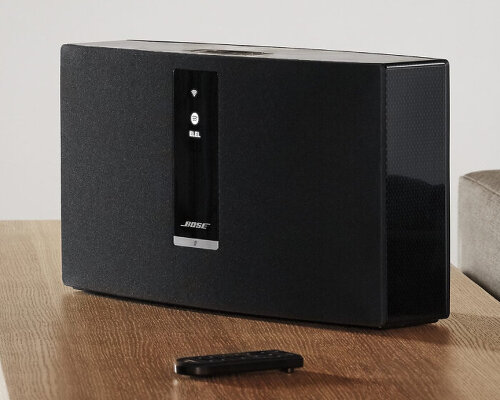
Recycling bose’s wireless speakers with open-source
Bose makes its wireless speakers SoundTouch ‘recyclable’ by making them open-source, following the announcement of their discontinuation. The company confirmed that cloud support for the family of devices ends on May 6th, 2026, and this change affects how the SoundTouch app works. The news first came in October 2025, and after hearing feedback from users, the brand decided to move the shutdown date from February to May to give people more time to prepare. Before the cloud shuts down, the SoundTouch app will update by itself.
After May 6th, the app will still open and still control the speakers, but only through local connections on the same Wi-Fi network. Bose, then, is releasing the technical specifications of the wireless speakers as open-source documentation, which allows independent developers to build new tools, apps, and features that work with SoundTouch products. In simple terms, Bose is opening the doors and letting the community step in, a move that can matter for recycling and the devices’ long-term use.
all images courtesy of Bose
Keeping and updating the device features with developers’ help
Many smart gadgets become electronic waste when cloud services shut down. The hardware still works, but software locks stop people from using it. When this happens, devices often end up in landfills. By keeping the wireless speakers working locally and sharing the API and documents, Bose reduces this risk since open-source access allows developers to extend the life of SoundTouch products. Someone could build a new app that replaces lost features. Others could connect SoundTouch speakers to home servers, open music systems, or custom control tools. This means fewer speakers need to be thrown away just because official support ended.
After the SoundTouch’s shutdown, many core functions will continue to work, and users can still stream music using Bluetooth, AirPlay, Spotify Connect, or AUX cables. They can still group speakers together, control volume, pause music, and set up systems. Soundbars and home theater systems will still work with TVs through HDMI or optical cables. What will stop working are presets and browsing music services inside the SoundTouch app itself. This means the speakers are not being switched off. Instead, they are being disconnected from Bose’s cloud servers. The brand explains that SoundTouch launched in 2013, and the technology behind its cloud system is now old. Keeping those servers running is no longer possible for the company.
view of SoundTouch 10 wireless speaker
fewer discarded electronics by opening closed system
Making these SoundTouch wireless speakers open-source then contributes to the repair culture. When software systems are closed, only the original company can fix or update them, but when systems are open, more people, especially the enthusiasts, can help keep the devices useful for longer. The move also shows a shift in how companies think about product life. SoundTouch was designed as a connected system. Bose could have locked SoundTouch down or disabled it. Instead, it chose to let the hardware live on, even without cloud features.
Keeping devices useful for longer is a way to cut waste. Software decisions can be as important as material choices, and an open system can delay disposal by years. The SoundTouch case shows a possible future path. Devices may still evolve, but older ones do not have to disappear. Open-source tools can bridge the old hardware and new needs. For users, this means more control. For the environment, it means fewer discarded electronics.
the open-source move allows independent developers to build new tools, apps, and features for the Bose speakers
view of Wave SoundTouch music system IV
view of SoundTouch 20 wireless speaker
after May 6th, the app will still open and still control the speakers, but only through local connections
the brand has released the technical specifications of the wireless speakers as open-source documentation
project info:
series: SoundTouch
documentation: here
The post bose recycles discontinued wireless speakers by making them open-source appeared first on designboom | architecture & design magazine.