
The age of disposable green is over, as in 2026, sustainability means permanence. You no longer design for short lifecycles or rapid replacement, as you design to last. True ecological responsibility now aligns with architectural endurance, where reduced carbon impact comes from buildings meant to perform for centuries, not decades. Longevity becomes the most effective form of environmental care.
This approach values material honesty and graceful ageing. You select materials that mature with time rather than degrade. High-performance envelopes and timeless spatial planning deliver stronger aesthetic and functional return on investment. The home becomes a legacy that is biophilic, resilient, and enriched by time, not destined for waste.
1. Consider Materials that Endure
In 2026, true luxury lies in materials that never demand replacement. You move beyond synthetic composites and trend-driven finishes toward material honesty. Natural stone, solid wood, and metal are chosen not for immediate impact, but for their ability to remain relevant across decades. Sustainability here is quiet, embedded, and inseparable from longevity.
This approach delivers long-term return on investment. While solid stone, reclaimed hardwood, and heavy-gauge metals require a higher upfront cost, their lifespan offsets both financial and environmental impact. Unlike surfaces that degrade, natural materials improve with age. Patina becomes value. Time itself turns into an aesthetic layer, enriching the space rather than diminishing it.
Stone furniture is often associated with visual weight, but its true strength lies in longevity. Coffee Table 01 and Side Table 01 by Tom Black are designed with a sense of permanence firmly in mind, utilizing Italian travertine not as surface decoration but as a structural element. Rather than relying on applied finishes or thin veneers, each piece is carved from solid stone, ensuring durability, stability, and resistance to trends. The curved underside of Coffee Table 01 subtly lifts the form while maintaining a robust footprint, and the metal-lined trough is not ornamental but precisely integrated, reinforcing the table’s architectural integrity.
Side Table 01 continues this built-to-last philosophy through a grounded, plinth-based composition. The rectangular base anchors the curved upper element, creating a balanced, load-bearing relationship between parts. Together, the warm veined travertine and brushed metal inlay speak to materials chosen for ageing well, developing character over time rather than wearing out. These tables feel less like temporary furnishings and more like enduring fixtures or objects that are designed to outlive interiors and remain relevant through their material honesty and structural clarity.
2. Focus on Thermal Efficient Envelopes
Longevity extends far beyond surface finishes; it is embedded in the performance of the building envelope. Homes that regulate internal comfort through passive means remain functional and relevant over time. When thermal efficiency is designed into the shell, the building relies less on mechanical systems and adapts more naturally to its environment.
By combining high-thermal-mass materials with advanced insulation, the structure maintains temperature stability while reducing long-term energy demand. Equally critical are the invisible layers or triple-glazed systems and vapor-permeable membranes that protect against moisture, decay, and material fatigue. These hidden investments safeguard structural integrity, ensuring the building performs reliably and endures for generations.
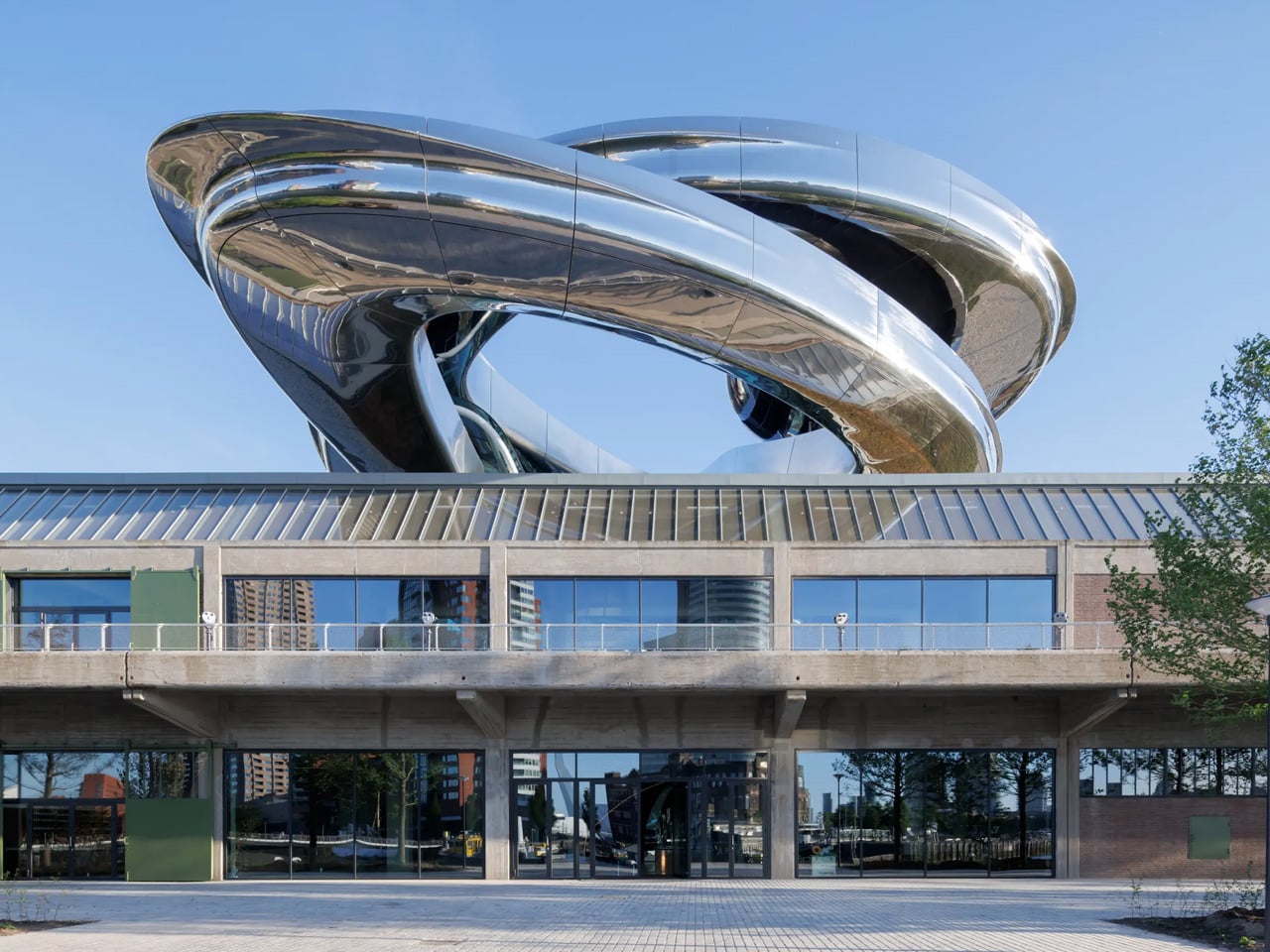
A century-old warehouse on Rotterdam’s Katendrecht peninsula has been transformed into the Fenix Museum of Migration by MAD Architects, with particular emphasis on upgrading the building’s energy performance through its façade. Rather than replacing the historic envelope, the design carefully enhances it, retaining the original industrial shell while improving thermal efficiency. This approach preserves the building’s identity while reducing heat loss, controlling solar gain, and supporting long-term energy performance suited to a contemporary public museum.
The upgraded façade works as a high-performance layer, integrating improved insulation and modern glazing within the existing structure. By strengthening the building envelope instead of rebuilding, it, the project significantly lowers energy demand for heating and cooling. This façade-led strategy demonstrates how adaptive reuse can align heritage preservation with environmental responsibility, proving that historic buildings can meet present-day efficiency standards without compromising their architectural character.
3. Future-Ready Spatial Planning
A building remains relevant when its spaces can adapt, and multipurpose furniture plays a key role in enabling this flexibility. Future-proof planning embraces “loose fit” interiors – open, non-prescriptive layouts that allow furniture, rather than walls, to define function. Generous proportions and strategically placed utility cores create fluid spaces that can be reconfigured as needs change.
Multipurpose furniture supports this adaptive sequencing by allowing rooms to shift use without structural intervention. A living area can become a workspace, or a guest room can transform into a family suite through modular, convertible elements. This approach encourages multi-generational living and ageing in place, offering long-term social value while preserving the emotional continuity of the home.
Turn your sleeping area into your office with this rotating furniture
Living in a small space makes multipurpose furniture essential rather than optional, especially when durability and long-term use are priorities. Well-designed modular pieces are built to adapt over time, reducing the need for constant replacement. The Compatto Rotating Office Murphy Bed with Desk reflects this built-to-last approach by combining multiple functions into a single, robust system that responds to evolving lifestyles while maximizing limited floor area.
Designed for repeated daily use, the unit transforms smoothly from bed to workspace through a series of controlled rotations. The wide desk supports monitors, TVs, and all-in-one computers, while integrated storage and cable management ensure long-term functionality without clutter. Though it requires DIY assembly, its solid construction and thoughtful engineering make it a lasting investment. When work ends, the system folds away to reveal a queen-size Italian memory foam Murphy bed, proving that durability and adaptability can coexist in compact living.
4. Precision in Joinery Details
Luxury is expressed through detail, particularly at points where materials meet. Precision detailing and shadow gaps define contemporary craftsmanship, allowing buildings to age gracefully while remaining practical. Thoughtfully resolved junctions support easier maintenance, ensuring that performance and appearance can be preserved over time without invasive interventions.
By avoiding permanently bonded finishes and instead using mechanical fixings and shadow gaps, materials are allowed to move independently. This repair-friendly approach enables individual components to be replaced without disrupting entire surfaces. Beyond function, refined joinery carries aesthetic value, signaling intentional design and craftsmanship. Such care fosters a lasting emotional connection with the space, reducing the impulse for frequent renovation and reinforcing the idea of architecture as a long-term investment.
Renowned design studio Bjarke Ingels Group (BIG) has unveiled plans for an innovative timber academic building for the University of Kansas’ School of Architecture and Design. Named the Makers’ KUbe, the project combines advanced engineered wood with principles drawn from traditional Japanese joinery to create a visually striking and environmentally responsible structure. The building features a mass-timber frame insulated with hemp-based material and wrapped in a refined glass envelope, allowing the natural character of the wood to remain visible while enhancing daylight and thermal performance. A deliberately pared-back aesthetic exposes mechanical, electrical, and plumbing systems, reinforcing the building’s educational purpose and material honesty.
Spanning approximately 50,000 square feet, the Makers’ KUbe is organized across six flexible floors with open-plan studios that encourage collaboration. A central staircase links the spaces, while facilities include 3D-printing labs, robotics workshops, and a café. Designed with a timber diagrid structure that minimizes concrete use, the building integrates rooftop solar panels and rainwater harvesting. Engineered timber ensures high fire performance, demonstrating durability alongside sustainability.
5. Explore Cultural Roots in Design
Longevity emerges when architecture is deeply connected to its cultural and geographical context. By integrating regional vernacular traditions and time-tested spatial principles such as Vastu, buildings gain a depth that extends beyond stylistic modernism. This grounding allows architecture to feel inherently aligned with its surroundings rather than imposed upon them.
Orienting spaces according to established principles of flow and balance fosters psychological comfort and a lasting sense of harmony. The use of locally sourced stone and timber further strengthens this connection, reducing environmental impact while visually anchoring the structure to its setting. Together, cultural alignment and contextual materiality create architecture that feels enduring, relevant, and inseparable from its landscape.
The tiny house movement has found a distinctive expression in Japan through Ikigai Collective, which creates homes that harmonize traditional aesthetics with modern minimalism. The Nozawa exemplifies this approach, reflecting authentic Japanese design rooted in local craftsmanship rather than imitation. Measuring just 20 feet in length, the compact dwelling contrasts with the larger North American tiny homes, proving that thoughtful design can make efficient use of space without sacrificing comfort. Every inch of the home is purposeful, demonstrating how simplicity and attention to detail can transform a modest footprint into a fully livable environment, aligning with European sensibilities that prioritize efficiency and functionality.
The exterior combines durable steel cladding with wooden accents, while the interior immerses residents in warm timber surfaces, creating a grounded, inviting atmosphere. The two-level layout features a tatami-style living area, a well-equipped kitchen, an efficient bathroom, and a loft bedroom with storage and a double bed. This design balances cultural heritage with contemporary living, offering a complete, intimate home for two that honors Japanese traditions while embracing modern minimalism.
The 2026 design shift emphasizes true longevity, moving beyond superficial eco-labels toward enduring architecture. By prioritizing authentic materials, adaptable spaces, and precise construction, homes are crafted to last and be cherished across generations. True luxury lies in the assurance of a resilient, high-performance sanctuary that contributes meaningfully to the built environment.
The post Everything in 2026 Is Disposable – Here’s 5 Sustainable Trends Are Designed to Last Centuries first appeared on Yanko Design.